SCITEX CREO 503B2L560S Kodax Lotem Pcb LDD2 400 800 188A2L560B
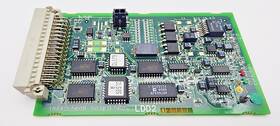
( Brand: Scitex Creo ), ( Manufacturer Part Number: 503B2L560S ), ( Model: LDD2 400 800 PCB 503B2L560S 188A2L560B ), ( Type: Pcb ), ( Unit Type: Unit )
Review SCITEX CREO Kodax Lotem 400 800 Pcb
The **Scitex CREO 503B2L560S (Kodak LOTEM LDD2 400/800 PCB 188A2L560B)** is a high-performance, industrial-grade digital printing press designed for large-format, high-volume production of printed circuit boards (PCBs) and advanced electronic substrates. Engineered by Scitex, a leader in precision printing technology, this system combines cutting-edge laser direct imaging (LDI) with Kodak s proprietary LOTEM (Laser Optical Transfer Exposure Module) technology to deliver exceptional resolution, speed, and reliability. The **CREO 503B2L560S** is specifically optimized for the demanding requirements of PCB manufacturers, offering a robust solution for high-density, multi-layer board production with sub-micron precision. Its **400/800 DPI resolution** ensures crisp, high-fidelity imaging, making it ideal for fine-line traces, microvias, and complex circuit patterns that demand near-perfect accuracy. The **188A2L560B** variant incorporates a **560mm (22-inch) wide exposure field**, allowing for efficient single-pass processing of large panels without the need for costly stitching or registration adjustments, thereby maximizing throughput and minimizing material waste. Built with a **laser-based exposure system**, this press eliminates the limitations of traditional photoplotters, offering faster image transfer, reduced maintenance, and superior consistency across batches. The **LDD2 (Laser Direct Draw 2.0)** technology enhances exposure efficiency by dynamically adjusting laser power and speed, ensuring optimal energy delivery for a variety of substrate types, including FR-4, Rogers, and flexible materials. The **B2L560S** model features a **fully automated material handling system**, including a **dual-stage exposure chamber** and **precise alignment mechanisms**, which streamline workflows and reduce operator intervention. This press is equipped with **Kodak s advanced filmless imaging technology**, allowing for direct laser exposure onto photoresist-coated boards, eliminating the need for physical film masks and reducing production bottlenecks. The **CREO 503B2L560S** also incorporates **real-time process monitoring and feedback systems**, enabling operators to maintain tight control over exposure parameters, ensuring consistent quality across high-volume runs. With its **rugged, industrial-grade construction**, this press is built to withstand the rigors of 24/7 production environments, featuring reinforced chassis, temperature-stabilized exposure chambers, and redundant safety systems to prevent downtime. Whether used for prototyping, low-volume production, or high-speed manufacturing of complex PCBs, this system delivers unmatched precision, reliability, and scalability, making it a cornerstone for modern electronics fabrication facilities.
### **Pros and Cons of buying a Kodak Lotem LDD2 400/800 PCB 188A2L560B with Scitex Creo 503B2L560S**
#### **Overview**
The **Scitex Creo 503B2L560S** is a high-end, large-format inkjet printer designed for commercial printing, while the **Kodak Lotem LDD2 400/800 PCB 188A2L560B** is a specialized **printed circuit board (PCB) exposure system** used in electronics manufacturing. These are two distinct machines serving different industries, so purchasing one over the other depends entirely on your intended use case.
---
### **Pros of buying a Scitex Creo 503B2L560S**
1. **High-Quality Commercial Printing**
- Ideal for **large-format digital printing**, including wide-format graphics, signage, and packaging.
- Supports **high-resolution output** (up to 1200 dpi) with **CMYK spot colors**, making it suitable for professional print shops.
- **Wide color gamut** and **consistent color accuracy**, which is crucial for branding and marketing materials.
2. **Durability and Reliability**
- Built for **high-volume production**, reducing downtime and maintenance costs over time.
- **Rugged construction** with **precise ink delivery systems**, minimizing clogs and print defects.
3. **Versatility in Print Applications**
- Can handle **various substrates**, including paper, vinyl, fabric, and some rigid materials (depending on setup).
- Supports **bleed printing** and **large-format jobs** (up to **3.2m wide** in some configurations).
4. **Integration with Workflow Software**
- Compatible with **RIP (Raster Image Processor) software** like **Enfocus PitStop, Adobe PDF, and Scitex Studio**, allowing for advanced prepress control.
- Supports **automated workflows**, reducing manual intervention and improving efficiency.
5. **Resale and Market Value**
- Scitex (now part of **Kodak Alaris**) remains a **reputable brand** in commercial printing, so used models retain **some market value**.
- Still widely used in **printing studios, advertising agencies, and large-format sign shops**.
---
### **Cons of buying a Scitex Creo 503B2L560S**
1. **High Initial Cost**
- **Expensive upfront purchase**, especially for small businesses or individual users.
- **Ink and maintenance costs** can add up over time, particularly for high-volume printing.
2. **Limited Use Outside Commercial Printing**
- **Not suitable for PCB manufacturing, photography, or industrial applications** its primary function is **large-format digital printing**.
- **No UV curing capability** (unless retrofitted), which limits its use for outdoor or durable materials.
3. **Complex Maintenance and Training**
- Requires **skilled operators** familiar with **inkjet printing, RIP software, and color management**.
- **Regular cleaning and calibration** are necessary to maintain print quality, adding operational overhead.
4. **Depreciation Over Time**
- **Technology evolves rapidly** in digital printing; newer models offer **higher resolutions, faster speeds, and better ink efficiency**.
- Older models may become **less competitive** as demand shifts toward **LED UV, dye-sublimation, or solvent printers**.
5. **Space and Infrastructure Requirements**
- **Bulkier than some alternatives**, requiring **dedicated workspace** with proper ventilation (due to ink fumes).
- **Power and cooling needs** may be higher than smaller printers.
---
### **Pros of buying a Kodak Lotem LDD2 400/800 PCB 188A2L560B**
1. **Specialized for PCB Exposure**
- **Designed specifically for PCB manufacturing**, making it **far more efficient** than repurposing a general printer.
- **High-precision UV exposure** for **photoresist development**, critical in electronics prototyping and mass production.
2. **High Throughput for Electronics Production**
- **400mm or 800mm panel capacity** allows for **large-scale PCB production** in a single pass.
- **Fast exposure times**, reducing bottlenecks in PCB fabrication lines.
3. **Compatibility with PCB Workflows**
- Works seamlessly with **CAD tools (Altium, KiCad, Eagle)** and **exposure software** used in electronics manufacturing.
- **Consistent exposure uniformity**, crucial for **high-yield PCB production**.
4. **Lower Operational Costs in the Right Industry**
- If you are **already in PCB manufacturing**, this machine is a **specialized tool** that eliminates the need for alternative exposure methods (e.g., mask aligners).
- **Long-term ROI** if used in a **high-volume PCB shop**.
5. **Industry-Specific Demand**
- **Still relevant in PCB prototyping and small-batch production**, where automated exposure is preferred over manual methods.
- **Kodak/Lotem has a strong reputation** in the electronics industry, ensuring **reliable parts and support**.
---
### **Cons of buying a Kodak Lotem LDD2 400/800 PCB 188A2L560B**
1. **Niche Market Application**
- **Only useful for PCB exposure**, making it **completely irrelevant** for printing, photography, or general office use.
- **Not a versatile machine** if your needs change, you may need additional equipment.
2. **High Specialization Limited Resale Value**
- **Harder to resell** compared to general-purpose printers, as the market for used PCB exposure systems is smaller.
- **Depreciates faster** if PCB manufacturing trends shift toward **newer technologies (e.g., laser direct imaging, alternative photoresists)**.
3. **Maintenance and Technical Expertise Required**
- **Complex alignment and calibration** needed for **precise UV exposure**.
- **Requires trained technicians** for repairs, increasing operational costs.
4. **Ink/Exposure Material Costs**
- **Photoresist and UV lamps** are **expensive consumables**, adding to long-term costs.
- **Lamp replacement cycles** (typically **10,000 20,000 hours**) can be costly over time.
5. **Space and Infrastructure Needs**
- **Requires cleanroom or controlled-environment setup** for sensitive PCB exposure.
- **Ventilation and safety measures** (UV exposure can be hazardous) add to installation complexity.
---
### **Comparison Summary**
**Factor** **Scitex Creo 503B2L560S** **Kodak Lotem LDD2 PCB**
-------------------------- ---------------------------- --------------------------
**Primary Use** Large-format digital printing PCB exposure in electronics
**Resolution & Quality** High (1200 dpi), color accuracy High precision, UV exposure
**Versatility** High (multiple substrates) Low (PCB-only)
**Market Demand** Still relevant in printing Niche (PCB industry)
**Maintenance Complexity** Moderate (inkjet care) High (alignment, UV safety)
**Resale Value** Moderate (used in printing) Low (specialized)
**Cost Efficiency** Good for print shops Good for PCB manufacturers
---
### **Conclusion & Recommendation**
#### **Buy the Scitex Creo 503B2L560S If:**- You are in the **commercial printing industry** (signs, packaging, large-format graphics).
- You need a **high-quality, large-format inkjet printer** for **professional output**.
- You can **justify the upfront cost** with **high-volume printing needs**.
- You have **skilled operators** familiar with **inkjet printing workflows**.
#### **Buy the Kodak Lotem LDD2 PCB 188A2L560B If:**- You are **exclusively in PCB manufacturing** and need **automated exposure for photoresist development**.
- You require **high-throughput PCB production** (400mm or 800mm panels).
- You are **already invested in electronics prototyping** and need a **specialized tool**.
- You can **afford the niche maintenance and consumable costs**.
#### **Do Not Buy Either If:**- You are **not in either industry** (printing or PCB manufacturing) these are **not general-purpose machines**.
- You **cannot justify the high initial cost** for your business scale.
- You **lack the technical expertise** to maintain and operate the equipment properly.
- You are **considering newer alternatives** (e.g., **LED UV printers for printing, or laser direct imaging for PCBs**).
#### **Final Recommendation:**- **For most buyers, the Scitex Creo 503B2L560S is the more practical choice** if you are in commercial printing, due to its **broader applicability and better resale potential**.
- **For PCB manufacturers already in the electronics space, the Lotem LDD2 is the better investment**, as it is **
Details:
part #: 503b2l560s prices
- $64.99-$70.00
specifications hvaapa:
- brand: Scitex Creo
- mpn: 503b2l560s
- model: Ldd2 400 800 Pcb 503b2l560s 188a2l560b
- type: Pcb
- unit type: Unit
shipping hvaapa:
- transit: 4-9 Days
- carrier: USPS, UPS
- service: USPS Priority Mail, UPS Next Day Air
- type: Fixed
- class: Expedited, One-day
- cost: $0.00
returns hvaapa:
- policy: Returns Accepted
- time: 30 Days
- method: Money back
- paid by: Buyer
general hvaapa:
- condition: Used
- HVAC Refrigeration > HVAC Refrigeration: Parts Accessories > HVAC Refrigeration: Controls Circuit Boards
offer hvaapa:
- started: March 12, 2026
- sold: 0
- quantity: 2
- options: Ship-to-home
- best offers: True
- availability: In Stock
payments hvaapa:
- credit card: Diners-club
- wallet: Paypal
- other
seller hvaapa:
- # reviews: 412
- city: Greensboro, North Carolina
- rating: 100.0%
