TOSHIBA Keypad 41530B 36323
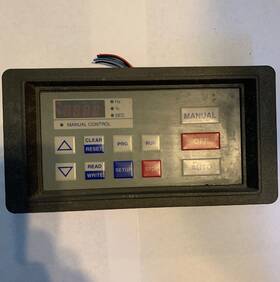
( Brand: Toshiba ), ( Manufacturer Part Number: 41530 ), ( Model: 41530 41530B 36323 1 ), ( Country Of Origin: Japan )
Review TOSHIBA Keypad Rev1
The **Toshiba 41530, 41530B, and 36323 keypads** are robust, high-performance security solutions designed to enhance access control systems with reliability, flexibility, and advanced functionality. These keypads are engineered for both commercial and residential applications, offering seamless integration with a wide range of security systems, including alarm panels, intercoms, and smart home automation platforms. The **41530 and 41530B** models feature a sleek, modern design with a backlit numeric keypad, ensuring ease of use in low-light conditions while maintaining a clean, professional aesthetic. The **36323** model, while similarly functional, may include slight variations in form factor or additional features depending on the specific installation requirements, such as a more compact or wall-mountable configuration.
At the core of these keypads is a **durable, weather-resistant construction**, making them suitable for both indoor and outdoor environments. The keypad s robust build ensures resistance to dust, moisture, and temperature fluctuations, which is critical for maintaining operational integrity in demanding settings like commercial buildings, industrial facilities, or outdoor residential applications. The **backlit display** provides clear visibility of codes, messages, and system statuses, reducing user frustration and enhancing security by preventing unauthorized access attempts due to poor visibility.
One of the standout features of these Toshiba keypads is their **versatility in programming and customization**. They support a wide range of access control protocols, including **Wiegand, 26-bit, and 34-bit**, as well as compatibility with common alarm systems like **Toshiba s own T-Link, Honeywell, and other industry-standard platforms**. This flexibility allows integrators and end-users to tailor the keypad to specific security needs, such as multi-user access levels, time-based restrictions, or integration with biometric or card-reading systems. Additionally, the keypads can be programmed to display custom messages, such as maintenance schedules, emergency instructions, or system alerts, further enhancing their utility in both security and operational contexts.
For added convenience, these keypads often include **audible and visual feedback mechanisms**, such as tone alerts for successful or failed access attempts, which help users quickly understand system responses. Some models may also support **remote monitoring and diagnostics**, allowing security personnel to troubleshoot issues or update configurations without physical access to the site. The **low-power design** of these keypads ensures efficient operation, reducing the need for frequent battery replacements and minimizing maintenance overhead.
Whether installed in a high-security corporate environment, a residential smart home, or a public facility, the **Toshiba 41530, 41530B, and 36323 keypads** deliver a blend of **reliability, ease of use, and adaptability**. Their seamless integration with existing security infrastructures, combined with their durable construction and customizable features, makes them an excellent choice for professionals seeking a dependable access control solution. With Toshiba s reputation for quality and innovation, these keypads are built to meet the demands of modern security systems while providing a user-friendly experience for all authorized personnel.
### Pros and Cons of Buying a Toshiba 41530, 41530B, or 36323 Keypad
#### **Toshiba 41530 Keypad**
The **Toshiba 41530** is a widely used keypad for ATMs, point-of-sale (POS) systems, and other transactional devices. Below are its key advantages and disadvantages:
**Pros:**1. **Reliability and Durability** Toshiba is a well-established brand known for producing robust mechanical keypads that can withstand heavy use in high-traffic environments like banks and retail stores. The 41530 is designed for longevity, reducing the need for frequent replacements.
2. **Compatibility** This keypad is widely compatible with various systems, including older and newer POS terminals, ATMs, and self-service kiosks. Its universal design makes it a versatile choice for different applications.
3. **Mechanical Key Action** The tactile feedback provided by the mechanical keys ensures a better user experience compared to membrane keypads, reducing errors from accidental presses.
4. **Easy Installation and Replacement** The 41530 is modular and straightforward to install or replace, which is beneficial for maintenance teams. It often comes with clear documentation and standard mounting options.
5. **Cost-Effective for Bulk Purchases** While individual units may not be the cheapest, buying in bulk can offer significant cost savings, especially for businesses with multiple terminals.
6. **Aftermarket Support** Toshiba has a strong aftermarket presence, meaning spare parts, repairs, and technical support are relatively easy to obtain.
7. **Standardized Design** The 41530 follows industry standards for key spacing, size, and connectivity, making it a reliable choice for off-the-shelf integration without custom modifications.
**Cons:**1. **Higher Upfront Cost** Compared to some generic or no-name keypads, the Toshiba 41530 can be more expensive, particularly for businesses on a tight budget.
2. **Potential for Wear Over Time** While durable, like all mechanical keypads, it may experience wear and tear in high-volume environments, leading to occasional key failures or sticky keys.
3. **Limited Customization** The 41530 is designed for standard applications and may not offer extensive customization options for unique or specialized use cases.
4. **Dependence on Toshiba s Longevity** If Toshiba reduces production or discontinues the model, finding replacements or support could become challenging over time.
5. **Learning Curve for Installation** While generally easy, some users or technicians may require training to properly install or troubleshoot the keypad, especially in complex systems.
---
#### **Toshiba 41530B Keypad**
The **41530B** is an updated or slightly modified version of the 41530, often featuring minor improvements in design or functionality.
**Pros:**1. **Improved Build Quality** The "B" variant may incorporate slight enhancements in materials or assembly, leading to better durability or reduced noise during operation.
2. **Enhanced Compatibility** Some versions of the 41530B may offer better compatibility with newer systems or additional connectivity options (e.g., USB or enhanced wiring).
3. **Reduced Key Wear** Minor design tweaks might result in less key wear, extending the keypad s lifespan in demanding environments.
4. **Backward Compatibility** Like the 41530, it remains compatible with most existing systems, ensuring a smooth transition for businesses upgrading from older models.
**Cons:**1. **Minor Cost Increase** The "B" variant may be slightly more expensive than the original 41530 due to its incremental improvements.
2. **Limited Availability** Depending on the market, the 41530B might be harder to find than the standard 41530, potentially delaying replacements or repairs.
3. **Unnecessary Upgrade for Some Users** If the original 41530 meets all requirements, the additional cost of the "B" variant may not justify the purchase.
---
#### **Toshiba 36323 Keypad**
The **36323** is another Toshiba keypad, often used in similar applications but with some differences in design or specifications.
**Pros:**1. **Compact or Alternative Layout** The 36323 may offer a different key arrangement (e.g., fewer keys or a more compact design) that suits specific applications where space is limited.
2. **Lower Cost Option** In some cases, the 36323 may be priced lower than the 41530 or 41530B, making it a budget-friendly alternative for businesses with less demanding needs.
3. **Simplified Design** If the application requires fewer keys or less complex functionality, the 36323 could be a straightforward and cost-effective solution.
4. **Good for Low-Traffic Environments** For less frequently used terminals (e.g., small retail stores or kiosks), the 36323 may provide adequate performance without the need for a more expensive model.
**Cons:**1. **Limited Durability** The 36323 may not be as robust as the 41530 series, making it less suitable for high-volume or high-stress environments like ATMs in busy banks.
2. **Fewer Features** It may lack some functionalities (e.g., additional buttons, enhanced connectivity) that the 41530 or 41530B offers.
3. **Potential Compatibility Issues** Depending on the system, the 36323 might not integrate seamlessly with newer or more complex POS setups.
4. **Shorter Lifespan** Due to its simpler design, the 36323 may require more frequent replacements compared to the 41530 series.
---
### **Conclusion**
The choice between the **Toshiba 41530, 41530B, or 36323 keypad** depends on your specific needs, budget, and environment:- **For high-volume, high-reliability applications (e.g., ATMs, busy retail terminals):** The **41530 or 41530B** is the best choice. Its durability, compatibility, and mechanical key action make it a long-term investment despite the higher upfront cost. The 41530B offers minor improvements that may justify the extra expense if available.
- **For budget-conscious or low-traffic applications (e.g., small stores, kiosks):** The **36323** could be a viable option if cost is a primary concern and the environment does not demand extreme durability. However, weigh the potential for shorter lifespan and fewer features.
- **For businesses needing a balance of cost and performance:** If the 41530 is too expensive but the 36323 lacks sufficient durability, consider whether the 41530B s incremental benefits are worth the added cost. Alternatively, explore other mid-range Toshiba models or third-party options with similar specifications.
### **Recommendation**
**Primary Recommendation: Toshiba 41530 or 41530B**
- If your application involves **high transaction volumes, critical systems, or environments where reliability is paramount**, the **41530 or 41530B** is the safest and most cost-effective choice in the long run. The initial investment will likely be offset by reduced downtime and fewer replacements.
- Prioritize the **41530B** if you can find it at a reasonable price and if its minor improvements align with your needs (e.g., better compatibility with newer systems).
**Secondary Recommendation: Toshiba 36323 (with Caution)**
- Only opt for the **36323** if:- Your budget is severely limited.
- The keypad will be used in a **low-traffic or low-stress environment**.
- You are willing to accept a potentially shorter lifespan and fewer features.
- In such cases, pair the purchase with a **maintenance plan** to monitor wear and replace keys or the entire unit as needed.
**Additional Considerations:**- **Warranty and Support:** Ensure the vendor offers a warranty and easy access to spare parts. Toshiba s aftermarket support is generally strong, but confirm this before purchasing.
- **Testing Before Bulk Purchase:** If possible, test a sample of the keypad in your environment to confirm it meets performance expectations.
- **Alternatives:** If Toshiba s pricing is prohibitive, explore other reputable brands (e.g., Fujitsu, Honeywell, or generic mechanical keypads) that offer similar durability and compatibility. However, be cautious of generic brands with poor customer reviews or limited support.
- **Future-Proofing:** If your systems are likely to evolve, consider whether the keypad s connectivity options (e.g., wiring, USB) will remain compatible with future upgrades.
**Final Verdict:**For most businesses operating in **moderate to high-demand environments**, the **Toshiba 41530 or 41530B** is the best choice due to its proven reliability, widespread compatibility,
Details:
Good working condition. Fast shipping. TOSHIBA KEYPAD 41530 B 41530B REV36323 1.
part #: 41530 prices
- $21.75-$69.99
specifications hvaapa:
- brand: Toshiba
- mpn: 41530
- model: 41530 41530b 36323 1
- country of origin: Japan
general hvaapa:
- HVAC Refrigeration > HVAC Refrigeration: Parts Accessories > HVAC Refrigeration: Controls Circuit Boards
- condition: Used
seller hvaapa:
- rating: 100.0%
- city: US
- # reviews: 20
payments hvaapa:
- other
- credit card: Diners-club
- wallet: Apple-pay
shipping hvaapa:
- carrier: USPS
- type: Fixed
- transit: 2-5 Days
- class: Expedited
- service: USPS Priority Mail, USPS Priority Mail Express
- cost: $0.00
offer hvaapa:
- options: Ship-to-home
- availability: In Stock
- best offers: True
- sold: 0
- quantity: 1
- started: May 27, 2026
returns hvaapa:
- time: 30 Days
- method: Money back
- policy: Returns Accepted
- paid by: Buyer
Toshiba 41530 Is Similar To:
- Toshiba Rm-09080179 53200a Rev A Circuit Board Ser Used p802 (35.8% similar) This part is in very good cosmetic condition as well. There is no warranty on used parts. Most of the parts require specific knowledge and skills to be installed properly. Please see more details from the images attached. Purchasing used parts you agree with the statement that sometimes hidden ...(October 7th, 2024)
