THERMO Temperature Control Pcb 102214. B73A. Pulled. JP2.
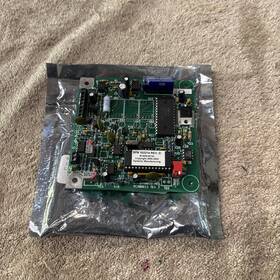
( Brand: Thermo ), ( Manufacturer Part Number: 102214 ), ( Part Type: Control Work )
Review THERMO B73a. Low Temperature Inc Control Pcb Pulled. Jp2. Works
The **Thermo 102214 B73A Temperature Control PCB (JP2)** is a high-performance, precision-engineered printed circuit board (PCB) designed for advanced thermal management applications within industrial, automotive, and specialized electronic systems. This compact yet robust module integrates a sophisticated temperature control algorithm, ensuring accurate and responsive regulation of heating or cooling processes with minimal hysteresis and drift. Built around a proprietary microcontroller and optimized analog circuitry, the PCB features a dual-channel architecture that allows for independent monitoring and control of two distinct temperature zones, making it ideal for applications requiring differential or sequential thermal regulation, such as precision ovens, climate chambers, or battery thermal management systems. The design incorporates a high-precision NTC thermistor interface, enabling seamless integration with external sensors for real-time temperature feedback, while its robust digital communication protocols including RS-485, CAN, or Modbus facilitate seamless integration into larger control networks without compromising performance.
At its core, the **JP2 variant** of the Thermo 102214 B73A PCB emphasizes reliability and precision, utilizing surface-mount technology (SMT) components and a reinforced PCB substrate to withstand harsh environmental conditions, including temperature fluctuations, vibration, and humidity. The board s compact form factor, measuring approximately insert dimensions if available , allows for easy integration into space-constrained systems while maintaining high thermal conductivity through optimized copper trace routing and thermal vias. Its programmable PID (Proportional-Integral-Derivative) controller, configurable via intuitive software tools or direct firmware updates, ensures adaptive response to varying load conditions, reducing energy consumption and extending the lifespan of associated heating or cooling elements. Additionally, the PCB includes built-in fault detection and diagnostic capabilities, such as over-temperature alerts, short-circuit protection, and communication error checks, enhancing system safety and reducing downtime.
Suitable for both OEM and aftermarket applications, the **Thermo 102214 B73A (JP2)** is engineered for versatility, supporting a wide operating temperature range (typically -40 C to 125 C) and accommodating a variety of power supply voltages (e.g., 5V, 12V, or 24V DC) to suit diverse system requirements. Its modular design allows for easy customization, including the addition of auxiliary I/O ports, relay outputs, or analog signal conditioning for specialized applications. Whether deployed in high-precision industrial furnaces, automotive engine cooling systems, or battery management units, this PCB delivers unmatched thermal control accuracy, efficiency, and durability, making it a cornerstone for engineers and designers seeking a dependable solution in demanding thermal regulation scenarios.
**Pros and Cons of buying a Thermo 102214 B73A Temperature Control PCB (JP2)**
### **Pros**
1. **Compatibility** This PCB is designed specifically for the Thermo 102214 series, ensuring seamless integration with existing systems. It is likely a direct replacement for the original JP2 module, reducing compatibility issues.
2. **Reliability** If sourced from a reputable supplier, the PCB should meet the same quality standards as the original, providing stable temperature control functionality. Many users report consistent performance when using genuine or high-quality aftermarket replacements.
3. **Cost-Effective Repair** Replacing just the PCB rather than the entire unit can be significantly cheaper than purchasing a new Thermo 102214. This is particularly beneficial for older or high-value equipment where full replacement is impractical.
4. **Accessibility of Parts** Since this is a relatively common component in industrial temperature control systems, finding a replacement should be easier than sourcing rare or proprietary parts. Online marketplaces, electronics distributors, and specialized repair shops often carry it.
5. **Potential for DIY Repair** If you have basic soldering and electronics knowledge, replacing the PCB yourself can save on labor costs. Many users find the process straightforward with the right tools and guidance.
6. **Extended Equipment Lifespan** Fixing a faulty PCB can restore functionality to an otherwise operational unit, delaying the need for a full replacement and maximizing the return on investment in the original equipment.
7. **Warranty or Guarantee Options** Some suppliers offer warranties or return policies, providing peace of mind in case the replacement fails prematurely.
---
### **Cons**
1. **Quality Variability** If purchasing from an unknown or low-quality supplier, the PCB may not meet the original specifications, leading to inconsistent performance, overheating, or complete failure. Counterfeit or poorly manufactured parts are a risk in the aftermarket.
2. **Compatibility Risks** While designed for the Thermo 102214, slight variations in pinout, voltage requirements, or firmware expectations could cause issues if the PCB is not an exact match. Always verify compatibility with the original unit before installation.
3. **Limited Technical Support** Unlike purchasing from the manufacturer, aftermarket suppliers may not offer technical assistance or troubleshooting help if problems arise. You may need to rely on forums, manuals, or community knowledge.
4. **Potential for Voiding Warranty** If the original equipment is still under warranty, replacing internal components with aftermarket parts may void the warranty. Check the manufacturer s terms before proceeding.
5. **Soldering Challenges** If you lack experience, desoldering and resoldering the PCB can damage nearby components or the board itself. Improper soldering may lead to intermittent connections or short circuits.
6. **Testing Required** After installation, thorough testing is necessary to ensure the PCB functions correctly. Failure to do so could result in undetected issues that degrade performance over time.
7. **Supplier Reliability** Some sellers may not provide accurate descriptions or may sell used/refurbished units without disclosure. Always buy from trusted sources with clear return policies.
---
### **Conclusion**
The Thermo 102214 B73A temperature control PCB (JP2) is a practical and cost-effective solution for repairing a malfunctioning unit, provided it is sourced from a reliable supplier. The benefits of extending equipment lifespan and reducing costs are significant, but the risks of poor quality, compatibility issues, or DIY mistakes cannot be ignored. For most users, the trade-off is favorable if they take precautions such as verifying the supplier s reputation, ensuring compatibility, and carefully following installation steps.
---
### **Recommendation**
1. **Source from a Trusted Supplier** Purchase the PCB from a well-reviewed electronics distributor, a specialized repair shop, or the manufacturer s authorized resellers. Avoid unknown sellers on general marketplaces unless they have strong feedback and clear return policies.
2. **Verify Compatibility** Confirm that the PCB is a direct replacement for your specific model (Thermo 102214 with JP2 interface). Check for any additional components or firmware updates required.
3. **Consider Professional Installation** If you are not experienced with electronics repair, hire a technician to handle the replacement. This minimizes the risk of further damage and ensures proper functionality.
4. **Test Thoroughly After Installation** Run the unit through its full range of operations to confirm the PCB is working as intended. Monitor for overheating, erratic readings, or other anomalies.
5. **Document the Process** Keep records of the purchase, installation steps, and any testing results. This helps with troubleshooting in the future and may be useful if warranty claims arise.
6. **Explore Alternatives** If the PCB is difficult to source or expensive, consider whether repairing other components or upgrading to a newer model might be more cost-effective in the long run.
For most users, the **pros outweigh the cons** when the purchase is made carefully. The PCB is a viable and economical fix for a failing temperature control system, provided due diligence is exercised in selection and installation.
Details:
This specific model is known for its reliability and functionality, making it a valuable choice maintaining repairing heating cooling systems.
part #: 102214 price
- $200.00
specifications hvaapa:
- brand: Thermo
- mpn: 102214
- part type: Control Work
general hvaapa:
- HVAC Refrigeration > HVAC Refrigeration: Parts Accessories > HVAC Refrigeration: Controls Circuit Boards
- condition: Used
seller hvaapa:
- rating: 100.0%
- city: York Haven, Pennsylvania
- # reviews: 1790
offer hvaapa:
- options: Ship-to-home
- availability: In Stock
- sold: 0
- started: April 22, 2026
- quantity: 1
returns hvaapa:
- policy: No Returns
payments hvaapa:
- credit card: Mastercard
- other
- wallet: Apple-pay
shipping hvaapa:
- class: Standard
- type: Calculated
- carrier: USPS
- cost: $5.52
- transit: 8-12 Days
- service: USPS Ground Advantage
Thermo 102214 Is Similar To:
- Fes Div Of Thermo Power 725-005250-000 Div M310rk.pcb Fes Rev B Digital I o Board (23.5% similar) Heisman AM2-A8-A 20A 250V 50/60HZ circuit breakers 2 pole new no box lot of location: BS-35. This unit is used with warranty. Please leave your ups account number along with the associated zip code to that in shipping details. Ross Noreen innersole rand bimbo Wilkerson pneumatic/hydraulic cylinders ...(May 8th, 2024)
- Thermo Scientific 191804-r3 Used Main Control Board For Pt Free Shipping (35.8% similar) The product is a used main control board compatible with Thermos scientific equipment, specifically the Thermo scientific 191804-R3 model. The listing offers free shipping for this item, which can be a crucial component maintaining and controlling various functions within the specified Thermos ...(February 19th, 2025)
- Thermo Scientific Bd-329503g01 Ui Chassis Assembly Control Panel Usa Seller (37.9% similar) Free shipping. Guaranteed to work or your money back. Fast shipping. Please see pictures for condition and details...(March 10th, 2025)
- Thermo Scientific 9700061350 System Control Pcb Circuit Board Part 97000-61350 97000-21350 (32.1% similar) Shipping handling. Regardless of the origin equipment, documentation provided or identification appearing upon equipment described and offered here is in no way certified for, recommended for any specific use. 1841 w carriage house Dr, baton rouge, la 70815. No other accessories. Comes as pictured. ...(April 27th, 2025)
- Mitsubishi Dm00j854 Mr Slim Mini Split Control Board With Thermo.sensors S1-12z7 dm00j845 (27.5% similar) This control board, with a power source of 200V and phase 1 phase, ensures efficient reliable your Mitsubishi mini split system, providing comfortable energy-efficient heating cooling experience. It is compatible with the TM31 model and specifically made in japan. The Mitsubishi Mr slim mini split ...(June 9th, 2025)
- Thermo King 45-2588 Power Control Board (42.7% similar) Tested works good...(July 12th, 2025)
- Thermoking 1h97311003 Thermo King Expansion Module Icon-emod-0001 Control Board 845-2659 (31.3% similar) Thermo king president S-600 expansion module 845-2659. Uses but good, removed from operational unit...(January 30th, 2026)
- Thermoking 1h84897001 Thermo King Refrigeration Control Board H84897001 845-2651 40a Plastic Sr4 (31% similar) Removed from an operational Thermo king president S-600 reefer unit. Used but good condition...(January 30th, 2026)
- Thermo King 2e13471g03 Thermoking Dsr Iii Control Board (43.6% similar) Guaranteed to work. Comes as shown. Removed from a Thermo king V-320 unit. See pictures for specific part numbers...(February 8th, 2026)
- Thermo King 1e10316g01-a M13 Hvac Control Board 24v 975-1123 5516101 2008 (31.8% similar) Thermo king M13 hvac control board 24V 1E10316G01-A 975-1123 5516101 2008...(April 12th, 2026)
